R
ReverSEOReverse Targeting SEO
Industry Fit · Search Footprint Guide
Reverse Target SEO for Law Firms
ReverSEO is built around the moments before the form fill, call, booking, estimate, or consultation.
70-page campaign logicBuyer-intent SEOCompetitor-aware strategyOrganic proof
R
Search FootprintReverSEOReverse Targeting SEO
R
Buyer-Intent PagesReverSEOReverse Targeting SEO
R
Competitor-Aware SEOReverSEOReverse Targeting SEO
R
Proof-Backed StrategyReverSEOReverse Targeting SEO
R
Organic VisibilityReverSEOReverse Targeting SEO
R
Search FootprintReverSEOReverse Targeting SEO
R
Buyer-Intent PagesReverSEOReverse Targeting SEO
R
Competitor-Aware SEOReverSEOReverse Targeting SEO
R
Proof-Backed StrategyReverSEOReverse Targeting SEO
R
Organic VisibilityReverSEOReverse Targeting SEO
R
Search FootprintReverSEOReverse Targeting SEO
R
Buyer-Intent PagesReverSEOReverse Targeting SEO
R
Competitor-Aware SEOReverSEOReverse Targeting SEO
R
Proof-Backed StrategyReverSEOReverse Targeting SEO
R
Organic VisibilityReverSEOReverse Targeting SEO
Why this matters
Why law firms fit search-footprint strategy
The buyer journey starts earlier than most websites are built to handle. One case can justify visibility, and clients research before they trust a firm.
Industry fit matters because every business earns trust differently and not every customer has the same value. ReverSEO adapts the search footprint to the revenue model, buying journey, and trust requirements of the industry.
R
ReverSEOReverse Targeting SEO
Reverse Target should look like the strategy it sells.
More energy, more proof, more search-path clarity, more confident next steps, and a page experience that feels like a modern visibility system instead of a stack of neat cards.
What the owner is usually feeling
This is not embarrassment. It is an ignored campaign gap.
If a business only waits for branded searches, it is entering too late.
The buyer may already have been influenced by competitors, directories, ads, reviews, and comparison results.
Search education
Why this search deserves a specific answer.
The strongest SEO pages often answer what a prospect is afraid to ask directly on a sales call.
The point is not to make Reverse Target sound louder. The point is to make the right buyer understand the problem earlier and see why ReverSEO is the mechanism that solves it.
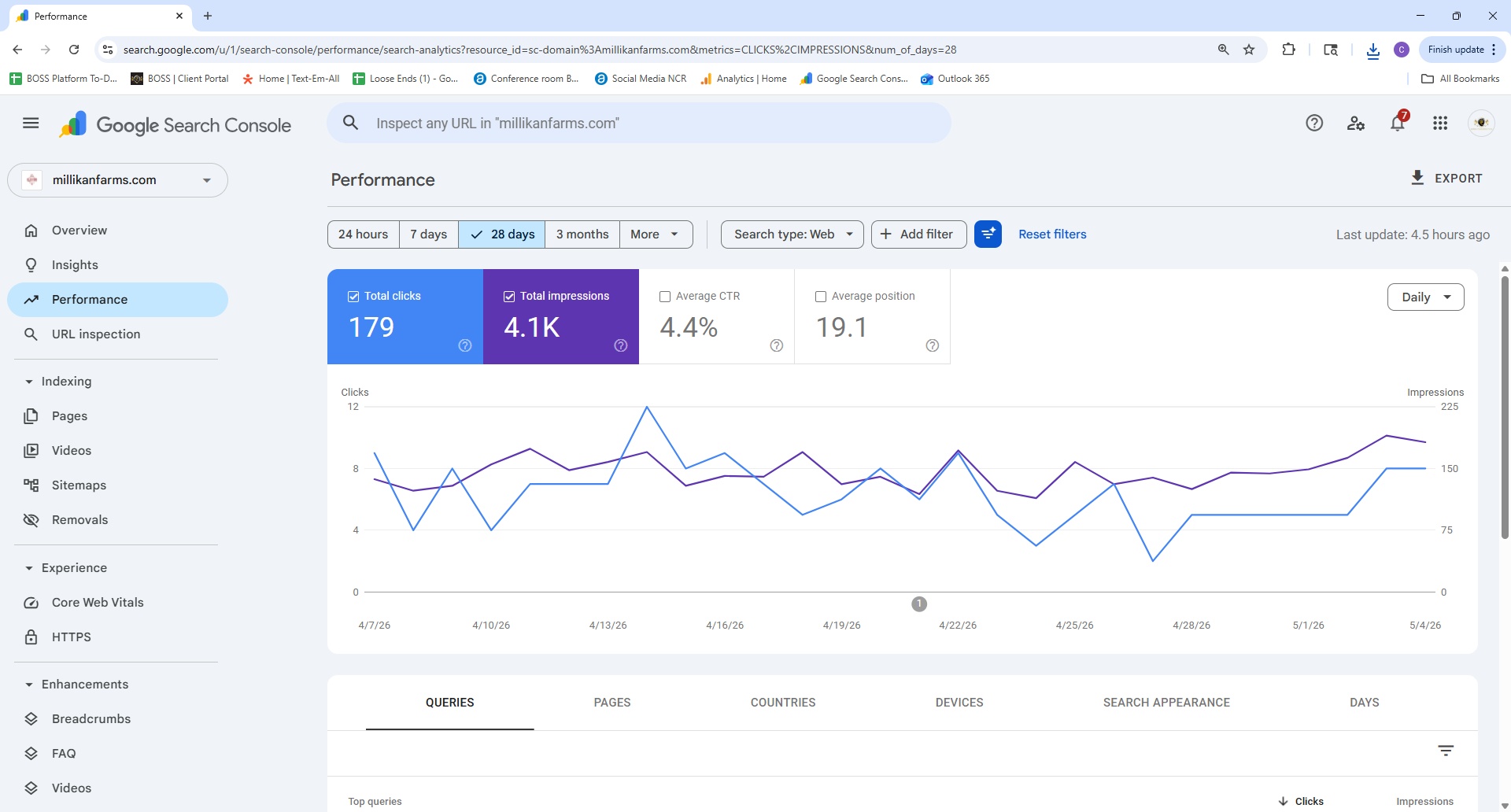
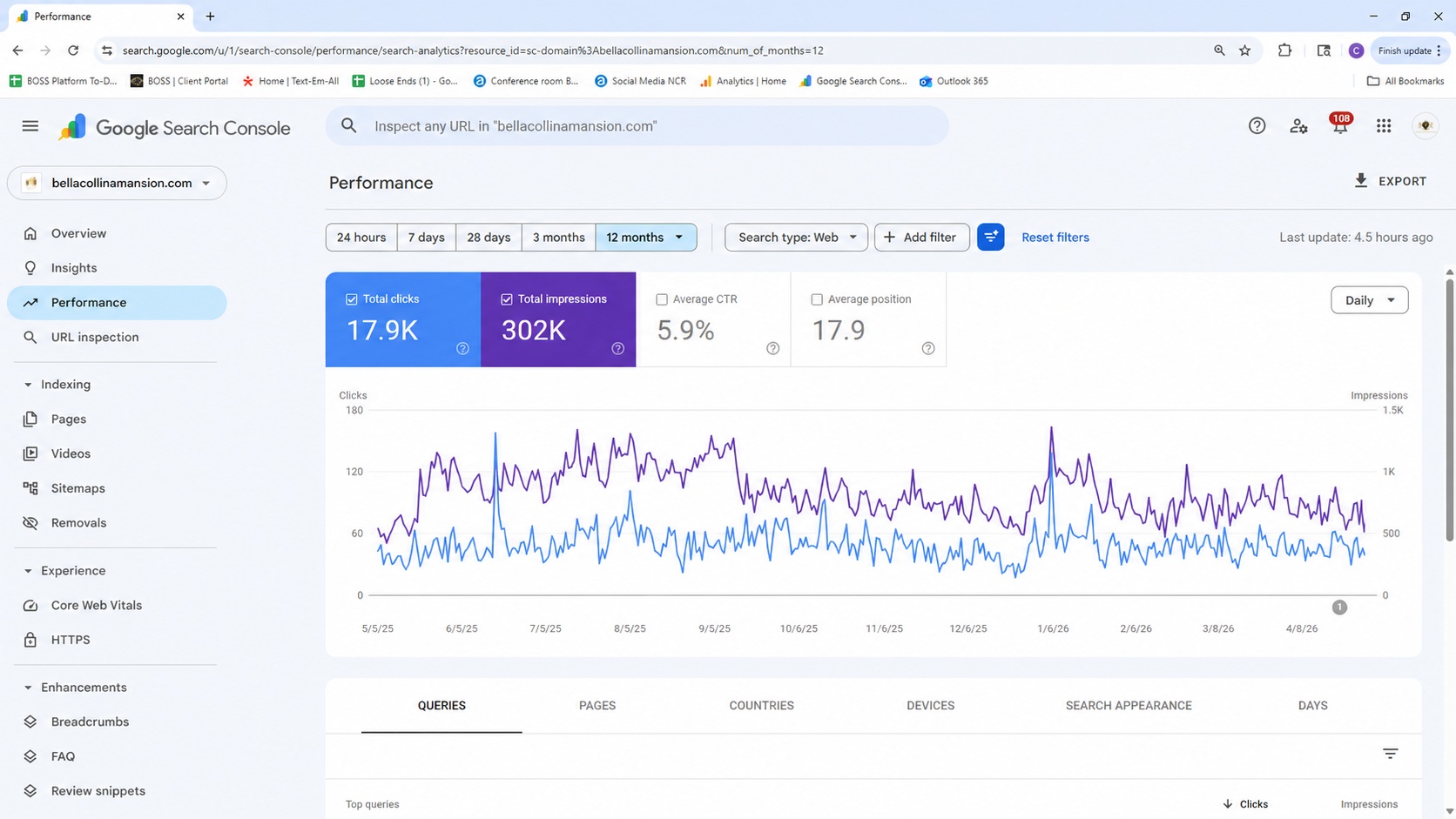
Visible proof beats vague promises
Make the page feel like a tech campaign with real search evidence.
Reverse Target can use its own case-study screenshots, proof metrics, and search-footprint language throughout the campaign so the pages feel energetic, inspectable, and grounded.
What the search really reveals
When someone searches “Reverse Target SEO for Law Firms,” they are usually closer to action than they think.
A business owner does not type a query like this because everything is working. They type it because the public version of the business is not matching the private reality of the business. The company may be respected by customers, trusted by referrals, and capable of producing excellent work, but Google is not giving buyers enough specific reasons to discover it before they already know the name.
That is the gap ReverSEO is built to expose. The issue is rarely one missing keyword or one weak headline. The deeper issue is usually a thin search surface. A small website can only answer a small number of buyer questions. A serious search footprint gives Google and the buyer more doors into the business: problem pages, comparison pages, industry pages, objection pages, proof pages, and decision-stage pages.
For this industry fit search, the job is to clarify the business visibility problem. That means the answer cannot stay vague. The visitor needs to understand why the current search path is failing, what a stronger search path would include, and how to inspect the difference before spending more money on ads, retainers, redesigns, or disconnected content.
the business needs more search entry points, not more generic marketing language That is why the campaign cannot rely on one homepage to carry every conversation. A buyer who is frustrated by ads needs a different answer than a buyer comparing SEO agencies. A buyer looking for proof needs a different path than a buyer wondering why competitors appear first. The structure matters because buyer intent changes from search to search.
Proof used carefully
Real search data should support the strategy.
Trust builders, not fake reviews
Use strong credibility language without inventing customer testimonials.
These are positioned as business-owner reaction themes and proof explanations, not fabricated reviews, names, ratings, or customer claims.
R
ReverSEOReverse Targeting SEO
The quiet problem finally has a name.
Many owners do not need another ad pitch. They need someone to show where their search footprint is too small, too narrow, or too late in the buying journey.
Request a visibility review →R
ReverSEOReverse Targeting SEO
I can finally see why competitors keep appearing first.
The issue often becomes obvious once the owner sees that competitors have more entry points into research, comparison, location, and trust searches.
Request a visibility review →R
ReverSEOReverse Targeting SEO
This is not just traffic. It is earlier discovery.
The goal is to put the business in front of the buyer before the shortlist is already built around competitors.
Request a visibility review →How ReverSEO would approach this
A clean campaign needs research, structure, proof, and indexing paths.
Research the search behavior
Map the questions, competitors, local intent, pricing concerns, objections, and proof searches that happen before inquiry.
Build targeted pages
Create useful pages around distinct decision moments instead of repeating the same sales copy with different titles.
Connect the footprint
Use internal links, supporting pages, schema, canonical URLs, and sitemap-ready structure so the campaign can be crawled and understood.
Review what Google tests
Look for impressions, clicks, position movement, and lead quality so the business can understand what is compounding.
Fit matters
The strongest fit is a business where one customer can change the math.
This topic can apply across industries, but the argument should change based on how the buyer researches and what one customer is worth.
retreat venuesboutique hotelscommercial real estate firmscoworking spacesreal estate teams
Questions before the next move
Clear answers before buying another marketing promise.
Is reverse target seo for law firms really an SEO problem?
It is usually a search-footprint problem. One case can justify visibility, and clients research before they trust a firm. ReverSEO looks at the searches buyers make before they inquire, then builds pages around those moments.
What would Reverse Target build for this issue?
A campaign can include buyer-question pages, comparison pages, local or industry pages, trust pages, proof pages, internal links, schema, sitemap support, and a clearer path to a visibility review.
How is this different from paying for more ads?
Ads can create traffic while the spend continues. ReverSEO is designed to create organic, indexable search assets that can be discovered after launch without buying every click.
Why does this matter for a high-value business?
When one customer, case, booking, project, account, or order can materially matter, being discovered earlier by the right buyer can justify a deeper search-footprint campaign.
Click-through path
The visitor should never hit a dead end after the first answer.
The first answer should solve the immediate search, but the page also needs a next step. Someone searching “Reverse Target SEO for Law Firms” may need proof, a comparison, an industry fit check, or a direct visibility review. That is why each page needs click-throughs that feel natural instead of random. The goal is not to trap the visitor on one article. The goal is to guide them through the same thinking process a smart owner would use before approving a serious organic campaign.
Learn the method
For owners who still need to understand the mechanism behind Reverse Targeting SEO.
What is Reverse Targeting SEO?Review the evidence
For owners who want proof before they believe the strategy.
See case-study proofCompare the model
For owners deciding between an agency retainer, paid ads, and a search-footprint build.
Compare SEO modelsWhat the buying pattern shows
The strongest opportunity is not the keyword. It is the moment behind the keyword.
Across the campaign, a pattern becomes obvious: the best searches are not always the broadest searches. The best searches often come from a business owner who is already uncomfortable. They are questioning an ad bill, a proposal, an agency name, a referral ceiling, or a website that looks polished but does not create enough qualified opportunity. That person does not need another generic SEO explanation. They need a clear way to understand what is failing and what should be built instead.
Because the query is tied to industry fit, the visitor is trying to name a problem that already feels expensive. The right answer should help the owner separate symptoms from causes, then move naturally into proof, method, and a practical next step.
That is why the search map matters. Every URL should have a reason to exist in the buyer journey. The slug should match the search. The H1 should confirm the visitor arrived in the right place. The title should earn the click. The opening should answer the concern without delay. The middle of the article should educate without sounding like a sales deck. The final path should give the owner a smart next action: review proof, understand the method, compare models, or request a visibility review.
What this search reveals here is that most competitors sell SEO as a service category, while ReverSEO can explain SEO as an owned search system. That distinction is powerful. A service category can sound interchangeable. A search system can be inspected. It can show the searches, the pages, the internal links, the proof, and the conversion paths before the owner commits.
The campaign should also stay careful. Named-provider pages should never depend on cheap attacks, exaggerated claims, or fake testimonials. They should create trust by being more useful than the comparison pages around them. The safest competitive position is also the strongest one: compare the model, compare the deliverables, compare the evidence, and let the reader decide which path is more inspectable.
Owner inspection checklist
Before moving forward from “Reverse Target SEO for Law Firms,” the owner should be able to inspect the campaign like a real asset.
Search map
The buyer should see the actual searches being targeted, not only a promise to improve rankings. Searches should be grouped by pain, comparison, proof, industry, and ready-to-act intent.
URL map
The buyer should see the slugs before launch. A clean slug tells the visitor and search engine what the article answers. It also helps the owner inspect whether the campaign is organized or random.
H1 and title map
The H1 should read naturally for humans. The title should be strong enough to earn the click. They should be related, but not lazy duplicates of each other.
Proof map
Proof should be based on real evidence, case-study data, screenshots, or transparent process. Fake reviews are unnecessary because a strong campaign can show its logic.
Internal links
Every article should move the visitor somewhere useful: case studies, method pages, industry guides, comparison pages, or a visibility review. Dead-end articles waste attention.
Uniqueness test
A an SEO provider article should not sound like the same article written for another company with only the name changed. The argument, examples, and next step should fit the search.
Final buying note
The strongest search campaign is the one a business owner can inspect before approving.
Before a visitor moves from “Reverse Target SEO for Law Firms” to a sales conversation, the path should feel clear. The owner should understand the problem, the comparison, the proof, the next steps, and the reason Reverse Target approaches the market differently. That clarity is what makes the page useful, not just long.
Specific market angle
Reverse Target SEO for Law Firms deserves a specific reader experience.
The strongest answer is the one that helps the reader diagnose the situation without forcing a sales conversation too early. For Reverse Target, the advantage is inspectability. A buyer can review the query, the URL, the H1, the proof angle, the related links, and the intended conversion path before the campaign becomes vague. That is where Reverse Target can compete by showing how the map is built. The commercial value is high, but commercial value only matters if the article gives the visitor enough substance to keep reading. Thin comparison copy would waste the opportunity.
For a industry fit article, the strongest move is to connect the concern to a real search path: what the buyer asks first, what they compare next, and what would make them trust the next click. The proof angle is visible proof. That proof should be handled carefully: real evidence, real process, real logic, and no manufactured testimonials. That kind of clarity turns the search from a keyword into a real business decision. The result should feel direct, useful, and confident without pretending to know facts that have not been proven.
The commercial value is high, but commercial value only matters if the article gives the visitor enough substance to keep reading. Thin comparison copy would waste the opportunity. For a industry fit article, the strongest move is to connect the concern to a real search path: what the buyer asks first, what they compare next, and what would make them trust the next click. That is where Reverse Target can compete by showing how the map is built. A serious owner reads this kind of result with a different level of attention because the search is tied to money, trust, and timing.
The search matters because it catches a business owner in the middle of a decision, not at the beginning of a casual browse. The commercial value is high, but commercial value only matters if the article gives the visitor enough substance to keep reading. Thin comparison copy would waste the opportunity. For a industry fit article, the strongest move is to connect the concern to a real search path: what the buyer asks first, what they compare next, and what would make them trust the next click. The final impression should be that the campaign has structure, proof, and a next step worth taking.
Front-end read
Law firms need a search map that sounds like the market, not like a recycled SEO paragraph.
The reader wants to know whether the strategy understands their industry, their buyer, and the searches that happen before the call.
The public experience for “Reverse Target SEO for Law Firms” should give the visitor a different shape than the page before it. Different section rhythm, different examples, different proof framing, different click-through logic, and different visual cues all help the article feel like a real answer instead of a database merge.
Industry-specific search behavior
Law firms do not win search by sounding like every other local business.
A law firm does not just need traffic. It needs qualified intake paths for the practice areas and moments where trust is forming quickly.
The buyer in this market is usually not moving in a straight line. They compare proof, timing, price expectations, local confidence, and whether the business seems to understand the decision they are making. That is why a Reverse Target page for law firms cannot be a generic SEO argument with the industry name dropped into the heading.
The search footprint has to capture the questions that happen before the obvious lead form: people with urgency, risk, money, injuries, disputes, family pressure, or business consequences on the line. Those searches are where attention is still available. If a competitor, directory, ad, or marketplace owns those moments first, the business may only see the buyer after the decision has already tilted elsewhere.
For this industry, the useful proof path should include practice-area depth, city-intent pages, consultation paths, case-type clarity, and intake confidence. That gives Google more context and gives the reader a more believable reason to keep moving through the site.
- lawyer near meWhat the buyer may be trying to decide before calling.
- best attorney for my caseWhat the buyer may be trying to decide before calling.
- how much does a lawyer costWhat the buyer may be trying to decide before calling.
- law firm reviewsWhat the buyer may be trying to decide before calling.
- attorney consultationWhat the buyer may be trying to decide before calling.
Proof rhythm
The most useful click is the one that moves the reader deeper into evidence.
That might be a case study, an industry guide, a comparison page, or a visibility review. Each click should feel like the next logical question.
Next-click logic
After “Reverse Target SEO for Law Firms,” the next click should feel earned.
A strong page does not throw the same three buttons at every visitor. It routes the reader based on what they are likely trying to confirm next: method, proof, comparison, industry fit, or a direct review of their market.
Understand the method
Start with the concept behind the search.
Understand the methodSee the visibility review
Move into proof, structure, or comparison.
See the visibility reviewAsk for a search map
Give the visitor a practical way to act.
Ask for a search mapYou do not need another SEO checkbox. You need a search system that can be explained and inspected.
The process is research the market, build targeted pages, submit and index, then compound visibility.